The most important people in Nintendo history
Fusajiro Yamauchi
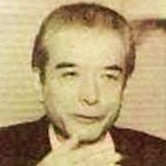
Fusajiro
Yamauchi
was a Japanese entrepreneur who founded Nintendo Kopai, the company now known as Nintendo. On
23 September 1889, Fusajiro Yamauchi opened the first Hanafuda (cards) card shop called "Nintendo
Koppai", during a time when the Japanese government was banning playing cards from the hands of the public, due
to them being tied to gambling, with the exception of Yamauchi's playing cards.he rapidly began expanding
and opened another card shop in Osaka. He later went on to create more card games.
Hiroshi Yamauchi
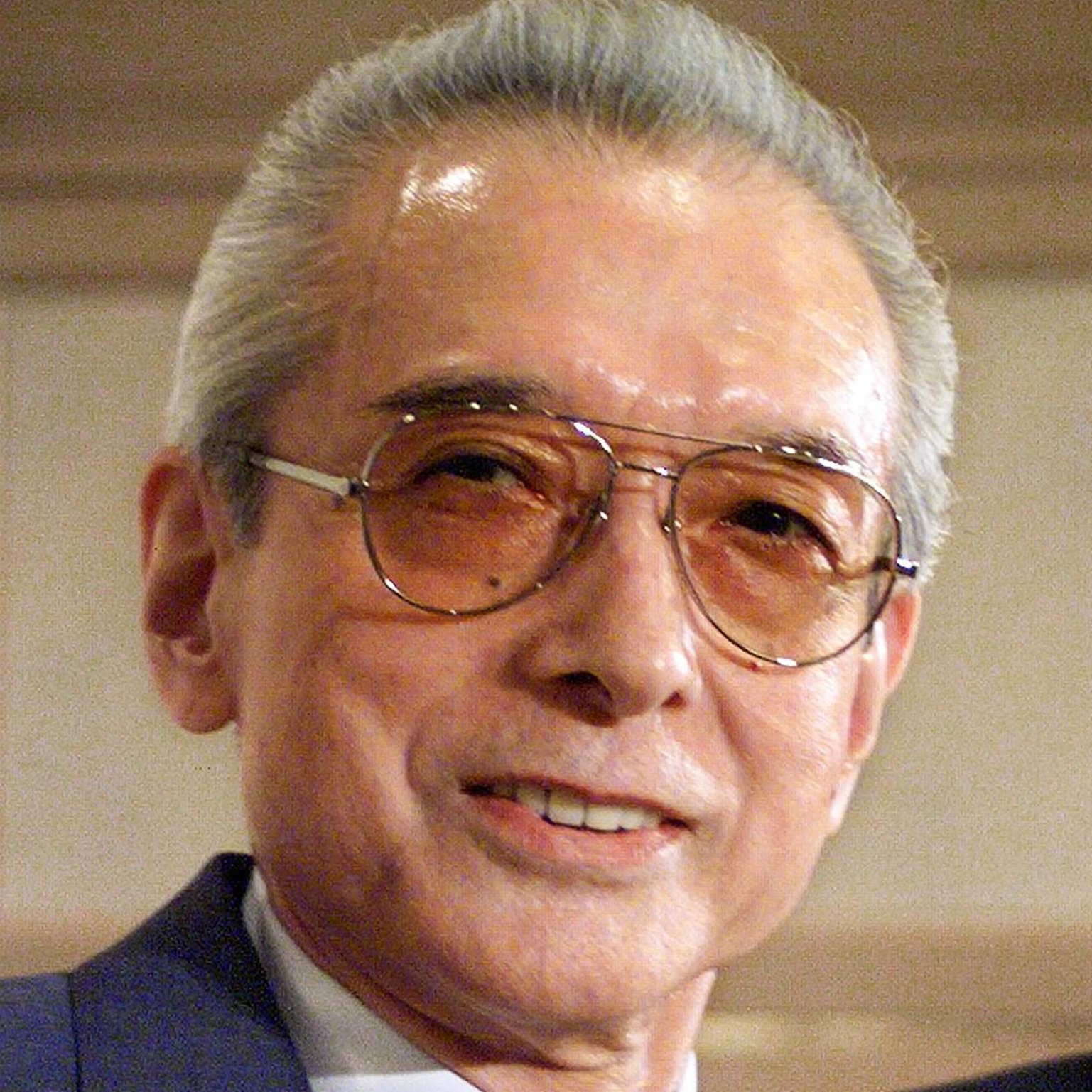
Hiroshi
Yamauchi was a Japanese businessman and the third president of Nintendo, joining the company on 25 April 1949
until stepping down on 24 May 2002. During his 53-year tenure, Yamauchi transformed Nintendo from a hanafuda
card-making company that had been active solely in Japan into a multibillion-dollar video game publisher and
global conglomerate. He was the great-grandson of Fusajiro Yamauchi, Nintendo's first president and founder.
Shigeru Miyamoto
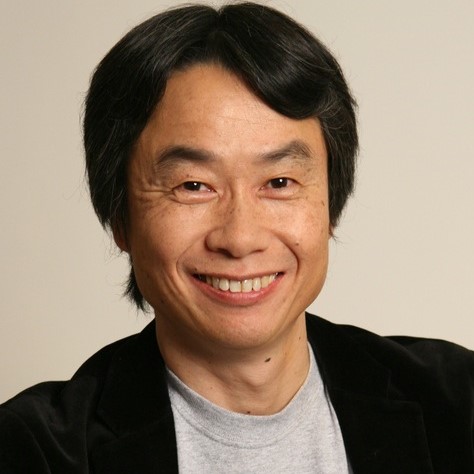
Shigeru Miyamoto
is a Japanese video game designer, producer and game director at Nintendo, where he serves as one of its
representative directors as an executive since 2002. Widely regarded as one of the most accomplished and
influential designers in video games, he is the creator of some of the most acclaimed and best-selling game
franchises of all time, including Mario, The Legend of Zelda, Donkey Kong, Star Fox and Pikmin. More than 1
billion copies of games featuring franchises created by Miyamoto have been sold. Miyamoto's games Super Mario
Bros. (1985) and The Legend of Zelda (1986) helped the NES dominate the console game market. His games have been
flagships of every Nintendo video game console, from the arcade machines of the late 1970s to the present day.
He managed Nintendo's Entertainment Analysis & Development software division, which developed many Nintendo
games, and he played an important role in the creation of other influential games such as Pokémon Red and Blue
(1996) and Metroid Prime (2002).
Satoru Iwata
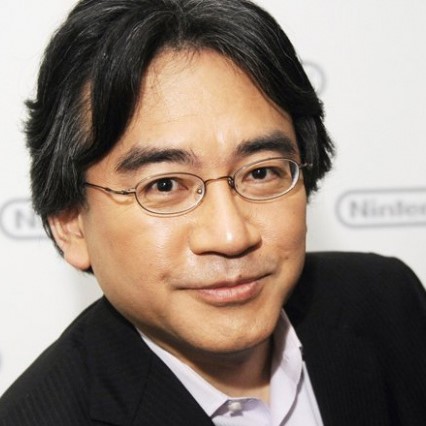
Satoru Iwata was a
Japanese businessman, video game programmer, video game designer, and producer. He was the fourth president and
chief executive officer (CEO) of Nintendo from 2002 until his death in 2015. He was a major contributor in
broadening the appeal of video games by focusing on novel and entertaining games rather than top-of-the-line
hardware. He worked as a programmer and closely collaborated with Nintendo, producing his first commercial game
in 1983. Games to which he contributed include EarthBound and many games in the Kirby series. Following a
downturn and near-bankruptcy, Iwata became the president of HAL in 1993 at the insistence of Nintendo president
Hiroshi Yamauchi and brought financial stability. In the following years, he worked in the development of the
Pokémon and Super Smash Bros. series. Iwata joined Nintendo as the head of its corporate planning division in
2000. Nintendo saw growth under Iwata and, when Yamauchi retired, he became the company's president in May 2002.
Under Iwata's direction, Nintendo developed the Nintendo DS and Wii game consoles, helping the company achieve
financial success. Iwata built a relationship with Nintendo fans through social media and his regular
appearances in Iwata Asks and Nintendo Direct, becoming the public face of the company.
John Kirby
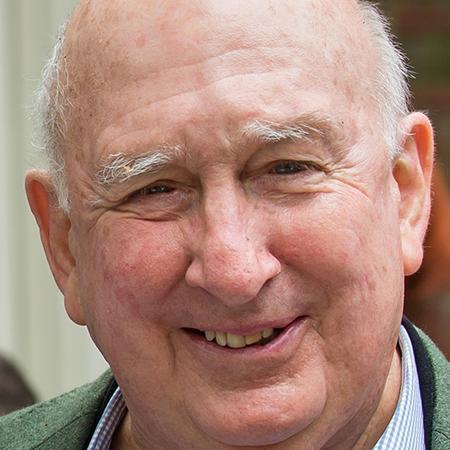
John
Joseph Kirby Jr. was an American lawyer. He was most notable for his successful defense for Nintendo against
Universal Studios over the copyrightability of the character of Donkey Kong in 1984, from which Nintendo
subsequently named the character Kirby to honor him. Kirby's most well-known case was Universal City Studios,
Inc. v. Nintendo Co., Ltd. (1984), which he handled while a partner at Mudge Rose. In this case, he defended
Nintendo against litigation from Universal Studios in a dispute revolving around the video game Donkey Kong,
which Universal claimed to be an unlicensed use of the titular character from their film King Kong. Kirby won
the case, a landmark victory for Nintendo, by presenting evidence that Universal had previously won a legal
battle against RKO that said the story and characters of King Kong were in the public domain; thus, Universal
had no legal right to claim ownership of the characters and basic scenario when the studio originally threatened
legal action against Nintendo.For this defense, Kirby was considered to have "saved Nintendo" during its
early growth into video games into the American market. In thanks for aiding them, Nintendo gave Kirby a $30,000
sailboat, christened the Donkey Kong, along with "exclusive worldwide rights to use the name for sailboats.
Shigeru Miyamoto also stated that the name of the character Kirby was chosen in honor of John Kirby.It is
rumored that a copy of the game Kirby's Dream Land was eventually sent to Kirby, who was humored and flattered.
